
Is the pilling of a product really a quality issue?
Clothes are also good,
Regardless of bedding,
During use, you may encounter situations like this:
●Pilling has occurred●
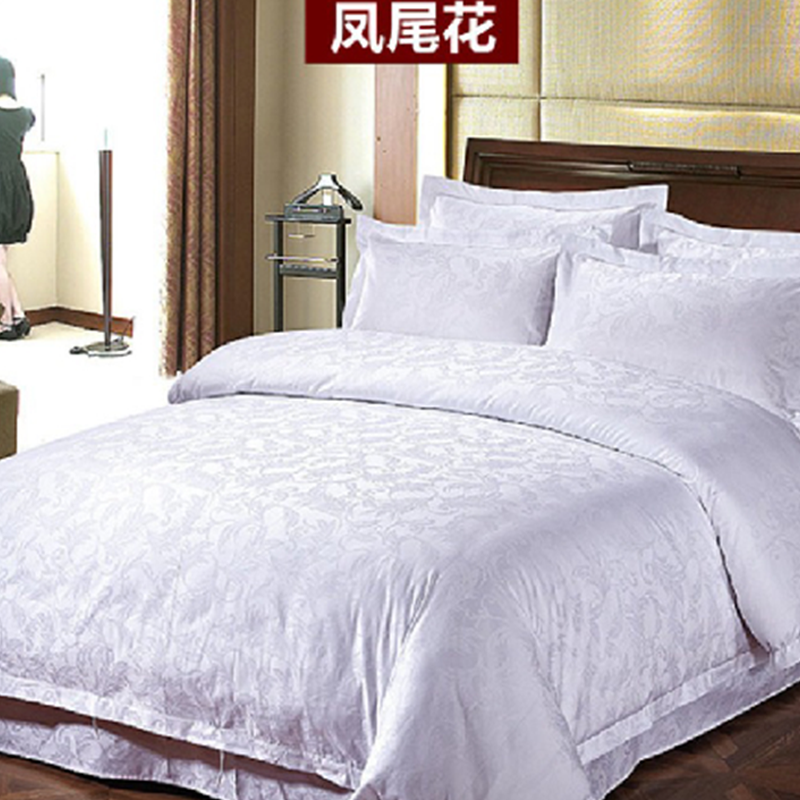
Is the pilling of a product really a quality issue?
Clothes are also good,
Regardless of bedding,
During use, you may encounter situations like this:
●Pilling has occurred●
When it comes to pilling, we naturally attribute it to quality issues.
Actually, pilling can be caused by various factors, including the characteristics of the fabric, the method of use, and the washing process.
Next, we will elaborate on each of these three aspects.
1. [Fabric characteristics] It may cause pilling
Advantages of pure cotton: moisture-wicking and breathable, soft and skin-friendly, easy to clean, hypoallergenic, and resistant to pilling
Disadvantages: prone to wrinkling, shrinking, and deformation
Advantages of wool: warmth, soft texture, good elasticity, strong heat insulation
Disadvantages: prone to pilling, shrinkage, felting reaction, and prone to insect infestation after becoming moldy
Advantages of nylon: lightweight and durable, smooth surface, easy to wash and dry, fixed elasticity, fixed stretchability
Disadvantages: prone to static electricity, most prone to pilling
Advantages of polyester: good elasticity, high strength, crispness, resistance to breaking, no need for ironing
Disadvantages: Poor breathability, difficult to dye, prone to static electricity, and prone to pilling
Advantages of linen: natural fabric, comfortable, lightweight, breathable
Disadvantages: prone to wrinkling, not crisp, poor elasticity, and itchy sensation
Silk advantages: smooth and soft, good texture, vibrant colors, skin-friendly and comfortable
Disadvantages: prone to wrinkling, prone to shrinkage, difficult to maintain
In summary, fabrics that are resistant to pilling include cotton, linen, silk, etc. If you really cannot accept the phenomenon of pilling, it is recommended to choose such fabrics when purchasing bedding.
Fabrics that are prone to pilling include wool, nylon, polyester, etc., but each has its own advantages and is not truly useless.
II. [Usage Process] There is a possibility of pilling
friction
The friction between the fabric and different fabrics can lead to varying degrees of pilling.
static electricity
In daily life, static electricity is omnipresent.
For example, when taking off clothes at night, one may hear a crackling sound accompanied by a blue light; when getting up in the morning and brushing one's hair, the hair may float up.
Static electricity can cause short fibers to entwine with each other, forming balls, which is known as pilling.
Third, improper washing may cause pilling
The washing time is too long
Prolonged washing can cause damage to fibers due to mechanical forces, leading to fiber breakage and the emergence of more fiber ends, thereby increasing the likelihood of pilling.
Washing temperature
Improper washing temperature can also lead to fabric pilling. It is best to control the washing temperature between [20-45] degrees.
detergent
It is advisable to use a neutral detergent or soap powder
In summary, not all pilling phenomena are due to quality issues with bedding products.
Some are due to the inherent characteristics of the fabric itself,
Some are caused by static electricity and pilling due to friction between clothing fabrics and bedding fabrics during use,
Of course, it is also possible that improper washing causes the fabric to pill.
Actually, pilling can be caused by various factors, including the characteristics of the fabric, the method of use, and the washing process.
Next, we will elaborate on each of these three aspects.
1. [Fabric characteristics] It may cause pilling
Advantages of pure cotton: moisture-wicking and breathable, soft and skin-friendly, easy to clean, hypoallergenic, and resistant to pilling
Disadvantages: prone to wrinkling, shrinking, and deformation
Advantages of wool: warmth, soft texture, good elasticity, strong heat insulation
Disadvantages: prone to pilling, shrinkage, felting reaction, and prone to insect infestation after becoming moldy
Advantages of nylon: lightweight and durable, smooth surface, easy to wash and dry, fixed elasticity, fixed stretchability
Disadvantages: prone to static electricity, most prone to pilling
Advantages of polyester: good elasticity, high strength, crispness, resistance to breaking, no need for ironing
Disadvantages: Poor breathability, difficult to dye, prone to static electricity, and prone to pilling
Advantages of linen: natural fabric, comfortable, lightweight, breathable
Disadvantages: prone to wrinkling, not crisp, poor elasticity, and itchy sensation
Silk advantages: smooth and soft, good texture, vibrant colors, skin-friendly and comfortable
Disadvantages: prone to wrinkling, prone to shrinkage, difficult to maintain
In summary, fabrics that are resistant to pilling include cotton, linen, silk, etc. If you really cannot accept the phenomenon of pilling, it is recommended to choose such fabrics when purchasing bedding.
Fabrics that are prone to pilling include wool, nylon, polyester, etc., but each has its own advantages and is not truly useless.
II. [Usage Process] There is a possibility of pilling
friction
The friction between the fabric and different fabrics can lead to varying degrees of pilling.
static electricity
In daily life, static electricity is omnipresent.
For example, when taking off clothes at night, one may hear a crackling sound accompanied by a blue light; when getting up in the morning and brushing one's hair, the hair may float up.
Static electricity can cause short fibers to entwine with each other, forming balls, which is known as pilling.
Third, improper washing may cause pilling
The washing time is too long
Prolonged washing can cause damage to fibers due to mechanical forces, leading to fiber breakage and the emergence of more fiber ends, thereby increasing the likelihood of pilling.
Washing temperature
Improper washing temperature can also lead to fabric pilling. It is best to control the washing temperature between [20-45] degrees.
detergent
It is advisable to use a neutral detergent or soap powder
In summary, not all pilling phenomena are due to quality issues with bedding products.
Some are due to the inherent characteristics of the fabric itself,
Some are caused by static electricity and pilling due to friction between clothing fabrics and bedding fabrics during use,
Of course, it is also possible that improper washing causes the fabric to pill.